Training Strengthens Rapid Fire Response Readiness
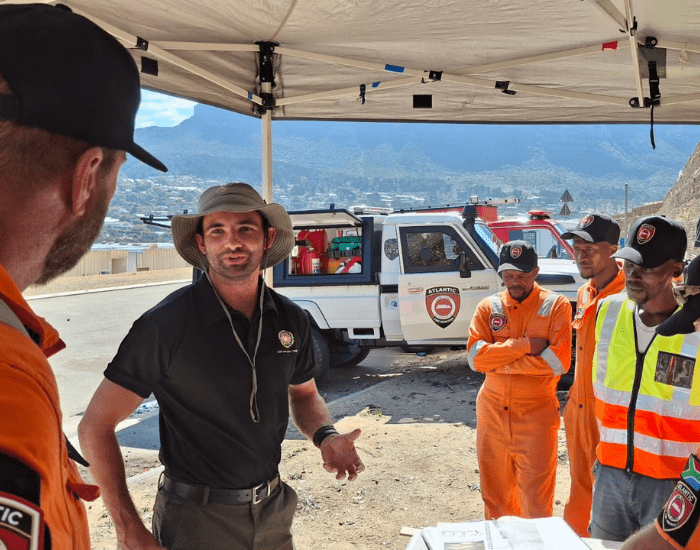
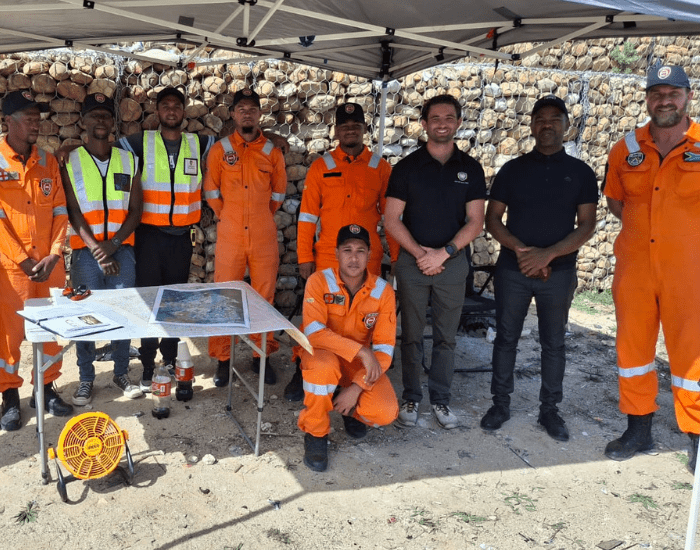
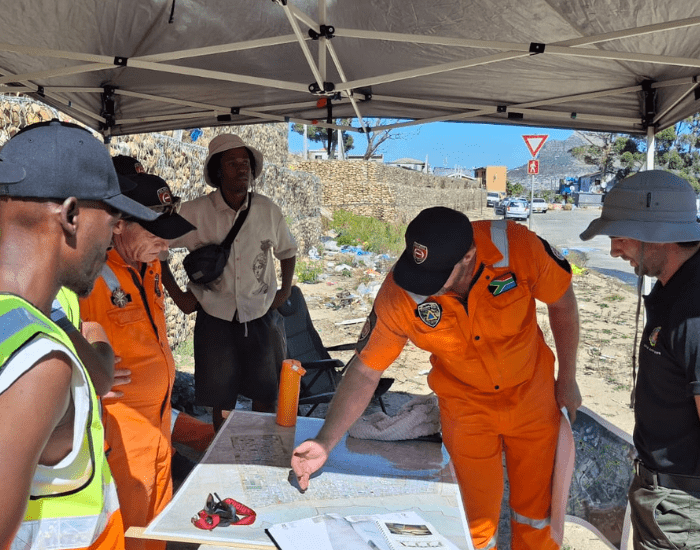
Atlantic Fire held a critical and highly practical training session in Imizamo Yethu, bringing together both new and existing recruits for a day focused on sharpening operational skills, improving safety awareness, and strengthening technical readiness for the harsh realities of fast-moving settlement fires.
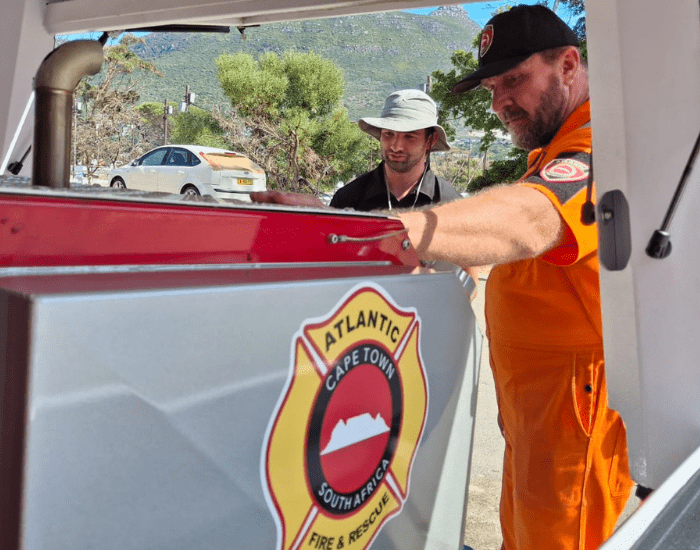
The session centred on hands-on training with essential firefighting systems, including the pumps, CAFS unit, and ultra-high-pressure equipment. Recruits worked directly with the systems they rely on during emergency callouts, building confidence through real-world drills designed to simulate the conditions crews face in high-risk informal settlements.
One of the most significant breakthroughs from the day came during testing of the armoured Land Cruiser CAFS setup. The team successfully confirmed that the unit can run two lines simultaneously — one foam and one water — a major operational advantage that gives crews greater flexibility when containing rapidly spreading fires in densely populated areas.
This dual-line capability means teams can now attack different fire behaviours at once, increasing both speed and effectiveness during critical first-response moments.
The day was further strengthened by the presence of Councillor Cameron Patrick, who joined the team for important discussions around one of the most overlooked but vital elements of fire response: fire hydrant readiness.
Together, the team and councillor addressed the importance of community cooperation in keeping hydrants clean, accessible, and protected from vandalism. In many emergencies, blocked, damaged, or tampered hydrants can cost precious minutes — time that often determines whether one home burns or an entire section is lost.
The training also reinforced critical field safety lessons specifically linked to informal settlement fires, where blocked access roads often force crews to work from difficult and dangerous positions.
A major focus was the extreme risk of rooftop firefighting in congested areas. Recruits were reminded that before stepping onto any roof, they must first assess whether the structure can safely carry their weight. Teams were also instructed never to move onto a roof without a backup hose line in place and to always operate using a strict buddy system so that immediate rescue is possible if someone falls through weakened roofing.
These practical safety principles are essential in environments where every movement can mean the difference between containment and catastrophe.
Training sessions like this are more than routine drills — they are the foundation of safer, faster, and smarter fire response.
By continuously investing in technical excellence, teamwork, and community partnerships, Atlantic Fire Services ensures its crews remain prepared to protect lives and homes when every second matters most.
#AtlanticFire #ImizamoYethu #FireTraining #CAFS #UltraHighPressure #RapidResponse #FirefighterSafety #CommunityProtection #Preparedness #CapeTownFires