Atlantic Fire & Rescue - Khayelitsha Ward 18 Traning Day
Building Local Fire Response Capacity
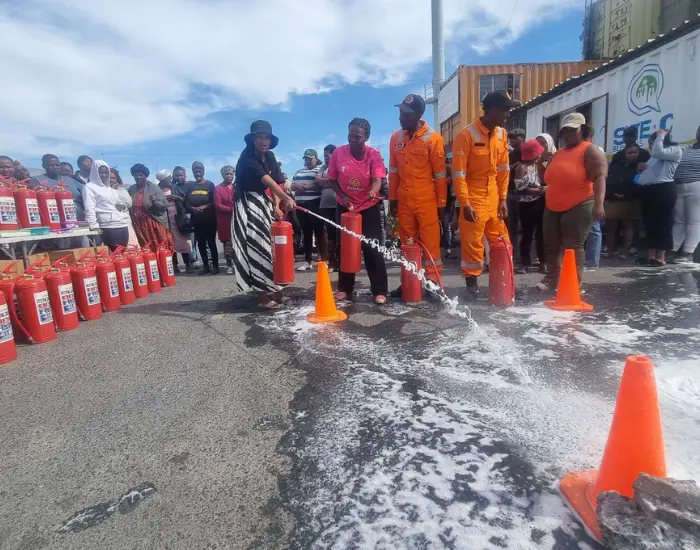
Atlantic Fire & Rescue hosted a highly successful training day in Khayelitsha Ward 18, bringing together community leadership and volunteers for critical fire preparedness and safety training. The session was attended by the Ward Councillor, the Chairman of the CPF, community leaders, and 80 volunteers committed to protecting their neighbourhoods from the devastating impact of fire.
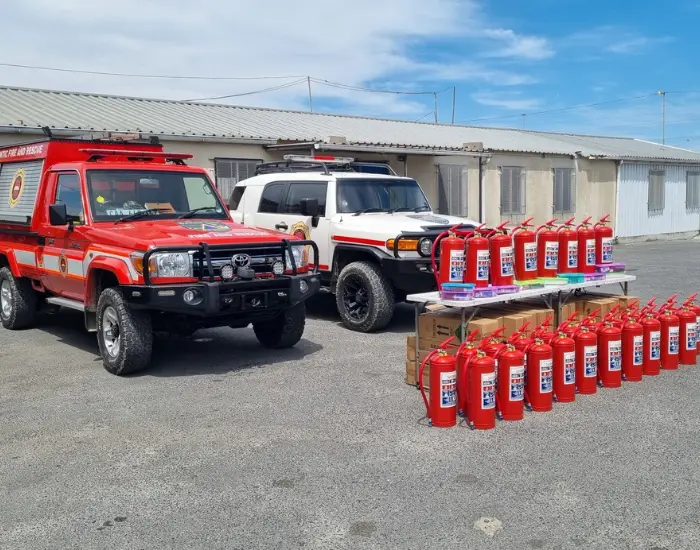
To support the newly trained teams, AFR donated:
• 30 fire extinguishers
• 10 first aid kits
These resources will be strategically placed across high-risk areas to ensure rapid community-level response when fires break out.
AFR Commander Paul Krüger opened the session with a clear message of purpose and empowerment:
“Ladies and gentlemen, welcome to the Councillor, Chairman of the CPF, and all community members. My name is Paul Kruger. I’m the Commander of Atlantic Fire Rescue. Atlantic Fire Rescue is an NGO. Our sole purpose is to fight fires and protect people in township areas and informal settlements. Our programme is here to be introduced. Our programme is, first of all, to donate fire extinguishers, also training and our support.”
He continued by outlining the day’s training structure:
“We’re going to have a brief discussion about fire preparedness and safety. Then we’ll show you how the fire extinguishers work. After that, we will go outside and do practical training. Practical training will be on foam fire extinguishers. These are DCP, the white colour.”
Addressing the volunteers directly, he added:
“Who here has used a fire extinguisher before? Nobody? Okay, that’s not a problem. We’re going to teach you today, we’re going to train you. What you will learn today is how to use a fire extinguisher. In December, you will need to use a fire extinguisher. So, we’ll do training today and then, after the training, you will know how.”
Through this programme, AFR continues its mission to equip communities with the knowledge, skills, and tools needed to respond quickly, confidently, and effectively to fire emergencies.
Empowering residents. Strengthening response. Protecting lives and homes.